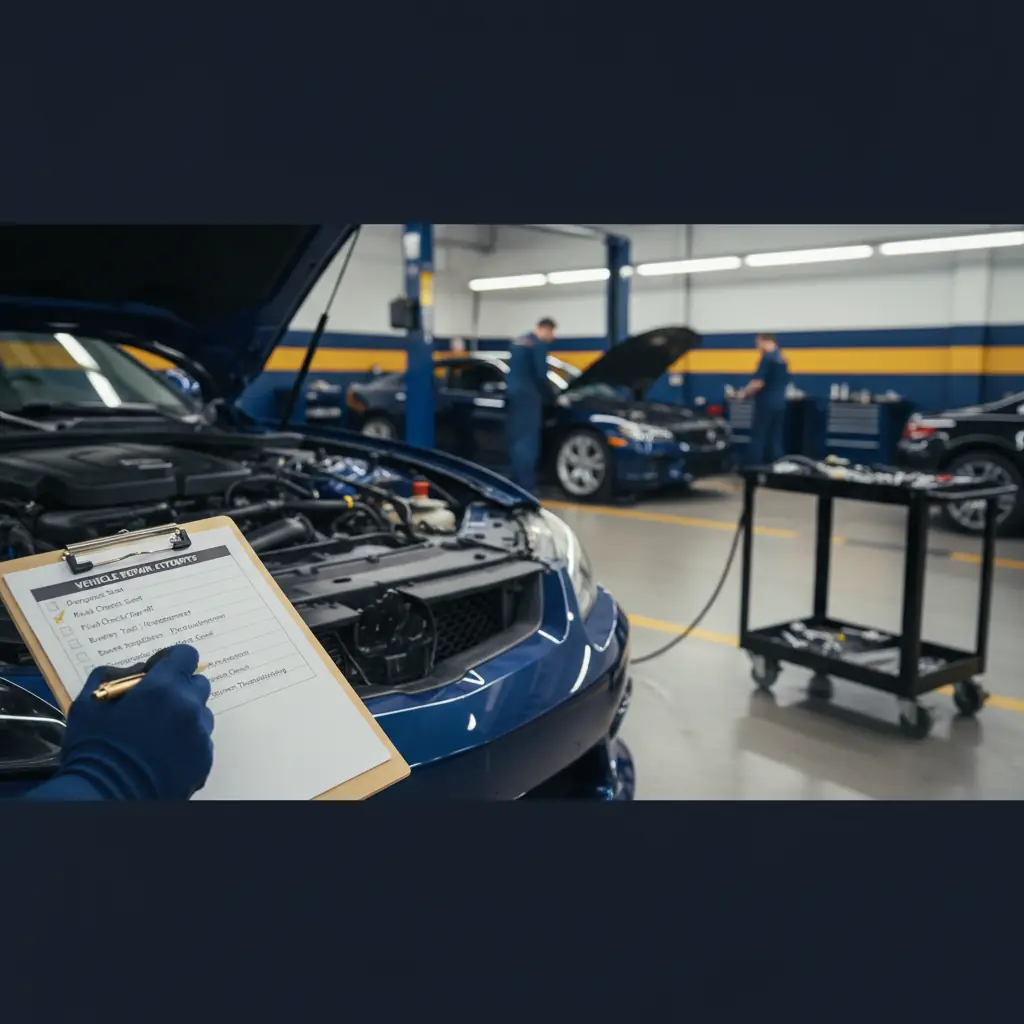
California drivers often face the same frustrating cycle: you buy or lease a new vehicle expecting reliability, a defect appears, and the dealership service department becomes a regular stop on your weekly schedule. The good news is that California's Song-Beverly Consumer Warranty Act. One of the strongest consumer protection statutes in the country. Sets a clear bar for when "enough is enough."
Understanding exactly what counts as a repair attempt, and how many you need, is the difference between a strong lemon law claim and one the manufacturer will fight.
What Counts as a "Reasonable" Repair Attempt?
A repair attempt is counted each time you bring your vehicle to an authorized dealership for the same defect or related symptom, and the visit is documented with a written repair order (often called an "RO" or service invoice). The dealer doesn't need to actually fix the problem for the attempt to count. In fact, failed repair attempts are exactly what builds your case.
A few details that matter:
- The repair must occur at a manufacturer-authorized dealership, not an independent shop
- You must receive a written repair order describing the complaint
- The complaint should reference the same underlying defect, even if the symptom is described differently each visit
- The vehicle must be under the original manufacturer's warranty at the time of the repair
Understanding the California Lemon Law Presumption
California Civil Code §1793.22 creates a "presumption". A legal shortcut. That a vehicle is a lemon when specific repair thresholds are met within the first 18 months of ownership or 18,000 miles (whichever comes first). When the presumption applies, the burden shifts to the manufacturer to prove the vehicle is not a lemon.
Two or More Attempts for Serious Safety Defects
If your vehicle has a defect that could cause death or serious bodily injury if driven. Think brakes, steering, airbags, sudden acceleration, fire risk. Only two repair attempts are required to trigger the presumption.
Four or More Attempts for Other Substantial Defects
For non-safety defects that still substantially impair the use, value, or safety of the vehicle (recurring transmission issues, electrical failures, infotainment problems that affect critical features), you generally need four or more repair attempts for the same defect.
30 or More Cumulative Days Out of Service
See what your case might be worth — free evaluation.
If your vehicle has been at the dealership for warranty repairs for a cumulative total of 30 or more days. They don't have to be consecutive. The presumption may apply regardless of how many distinct visits you've had.
What Happens After the Presumption Window?
Cases outside the 18-month / 18,000-mile window can still qualify. They just don't get the automatic presumption. Instead, your attorney has to show that the manufacturer had a "reasonable number" of repair attempts to fix the defect. California courts apply this flexibly, and many successful cases involve vehicles well beyond the presumption window.
Do All Repair Visits Count?
Not every visit to the service drive helps your claim. To strengthen your case:
- Repairs must be performed at an authorized dealership for that brand
- Each visit must be documented with a written repair order
- The complaint should describe the same underlying defect (consistency matters)
- Routine maintenance. Oil changes, tire rotations, scheduled service. Does not count
- Customer-pay repairs and out-of-warranty repairs generally don't count toward the threshold
Why Documentation Is Everything
Repair orders are the foundation of every lemon law case. Always:
- Describe the problem in your own words and ask the service writer to record it verbatim
- Get a copy of every repair order before you leave
- Note the dates the vehicle was dropped off and picked up
- Save loaner car receipts, towing bills, and rideshare expenses
What to Do if You've Met the Threshold
- Gather every repair order. Even ones you think are unrelated
- Write a brief timeline of when symptoms appeared and how they progressed
- Contact an experienced California lemon law attorney for a free case review
- Don't wait. California's lemon law time limit — also known as the statute of limitations — is generally four years from when the defect first appeared
Because manufacturers must pay your attorney fees under California law if your claim succeeds, qualified lemon law firms charge nothing out of pocket. You only owe a fee if and when you win.
Contact Prestige Legal Solutions for a free consultation. We'll review your repair history and tell you exactly where you stand.
Ready to Pursue Your Claim?
Every case is different. Talk to an attorney who has handled hundreds of California lemon law cases.