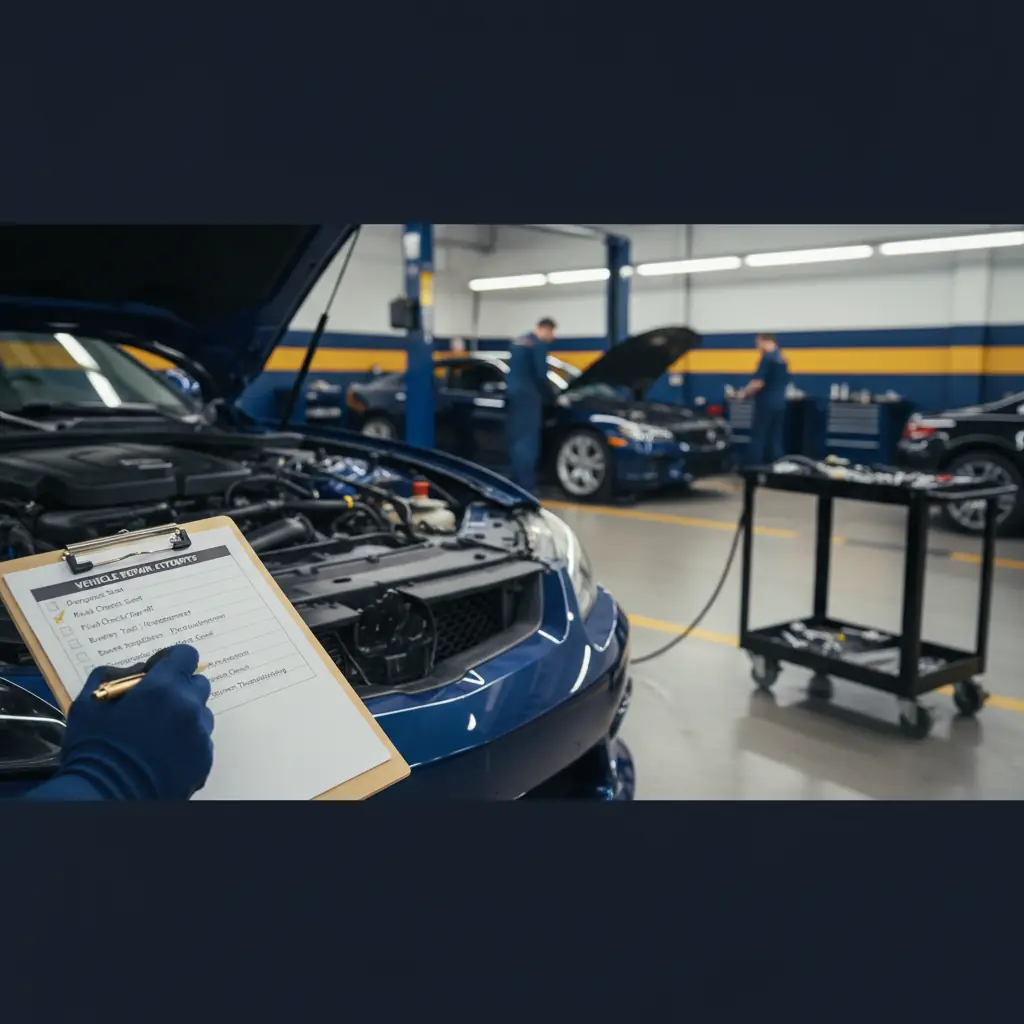
A Nissan that hesitates, shudders, loses power, or displays transmission warning messages can quickly become frustrating to own. These recurring symptoms often lead to repeated dealership visits, but a transmission complaint alone does not automatically create a valid lemon law claim.
Potential claims depend on the specific vehicle, warranty coverage, repair history, and whether a substantial defect remained unresolved after the manufacturer received a reasonable opportunity to repair it. Nissan sedans, crossovers, and SUVs equipped with continuously variable transmissions have generated recurring owner complaints, but not every model or CVT-equipped vehicle is defective.
In our experience, the repair orders often matter more than the first diagnosis. We have reviewed histories where an owner received a software update, valve body repair, or complete transmission replacement, yet the same hesitation or shuddering returned. That sequence can show that the dealership addressed the complaint several times without providing a lasting correction.
Each service visit should describe the symptoms accurately. Notes such as "hesitates from a stop," "shudders during acceleration," or "loses power after warming up" create a clearer record than a general statement that the transmission feels wrong. Warranty invoices, towing records, videos, and written communications can add useful context.
A legal evaluation may be appropriate when repeated warranty repairs fail, the problem substantially affects the vehicle's use, value, or safety, and the records show an ongoing defect. Owners researching broader Nissan warranty concerns can also learn more about Nissan Lemon Law.
Repeated Nissan CVT repairs and no lasting fix? We'll review your repair history and explain whether your vehicle may qualify for a buyback, replacement, or settlement. Free Case Evaluation
Why Drivers Choose Our Nissan CVT Lemon Law Attorneys
CVT claims require more than a list of symptoms. The repair history must show what the owner reported, what the dealership attempted, whether the vehicle was under warranty, and what happened after each service visit.
Our attorneys review the complete timeline rather than treating each invoice as an isolated event. A transmission replacement may appear significant, but the key question is whether the vehicle operated correctly afterward. If hesitation, shuddering, warning lights, or reduced power continued, the later records may become just as important as the replacement itself.
Clients rely on our team for:
- Careful review of CVT repair orders and warranty coverage
- Analysis of software updates, valve body work, and replacements
- Clear guidance without assuming every complaint qualifies
- Direct communication with the manufacturer when appropriate
- Experienced California Lemon Law Attorneys available to evaluate the claim
We also identify gaps in the documentation before a claim moves forward. Missing repair orders, vague service descriptions, or unclear warranty dates can affect the evaluation, so understanding the record early may prevent avoidable problems later.
How Our Nissan CVT Claim Process Works
Step 1 — Collect the Repair Evidence. Provide your purchase or lease agreement, warranty information, repair orders, towing records, and communications with the dealership. We look for repeated descriptions of the same transmission symptoms and the repairs performed.
Step 2 — Review Warranty Status and Repair History. Our team evaluates when the defect was reported, whether warranty coverage applied, how many repair opportunities occurred, and whether a software update, component repair, or CVT replacement solved the problem.
Step 3 — Determine the Appropriate Next Step. Not every CVT concern supports a lemon law claim. When the records show a substantial unresolved warranty defect, we explain the available options and may pursue a buyback, replacement vehicle, or negotiated cash settlement.
What Are Nissan CVT Transmission Problems?
A continuously variable transmission does not shift through fixed gears like a traditional automatic transmission. Instead, it changes ratios as the vehicle accelerates. Some differences in engine speed may be normal, but repeated hesitation, shuddering, delayed response, whining noises, or sudden loss of power may indicate a problem that needs warranty service.
Common Nissan CVT transmission problems may include:
- Delayed acceleration from a stop
- Shaking or shuddering during acceleration
- RPM surging without a matching increase in speed
- Whining, humming, or grinding noises
- Transmission overheating warnings
- Reduced-power or fail-safe operation
- Recurring check-engine or transmission warning lights
These symptoms do not automatically mean the vehicle qualifies under the lemon law. Eligibility depends on whether the problem is substantial, covered by a qualifying warranty, properly reported to an authorized dealership, and unresolved after reasonable repair opportunities.
Some owners receive software updates or valve body repairs. Others may receive a complete CVT replacement. A replacement can correct the issue, but it does not erase the earlier repair history. If similar symptoms return after the replacement, later repair orders may show that the underlying warranty concern remains unresolved.
Understanding your warranty rights is an important part of evaluating recurring transmission problems. The Federal Trade Commission's guide to auto warranties explains how manufacturer warranties work and what consumers can expect when warranty-covered defects continue.
Do You Qualify for a Nissan CVT Lemon Law Claim?
A Nissan CVT problem does not qualify simply because the transmission hesitates, shudders, or requires repair. A potential claim depends on the warranty status, severity of the defect, repair attempts, time out of service, and the law that applies to the vehicle.
Your claim may justify an evaluation if:
- The CVT problem began while the warranty coverage was active
- The defect substantially affects the vehicle's use, value, or safety
- An authorized dealership received reasonable opportunities to repair it
- The same symptoms returned after software updates, component repairs, or transmission replacement
- Repair orders consistently document the recurring complaint
- The vehicle spent significant time unavailable because of warranty service
A recall is not required for a lemon law claim, and a recall does not automatically make a vehicle a lemon. The repair record for the individual vehicle remains central.
Owners preparing to take the next step should preserve every invoice, towing receipt, video, warning-light photo, and written dealership communication. Free Consultation
Wondering if your situation qualifies?
Common Nissan CVT Lemon Law Problems
Transmission Hesitation & Shuddering
Drivers may feel delayed acceleration, shaking, jerking, or a pause before the vehicle responds to the accelerator. These symptoms can be intermittent, making them difficult to reproduce during a short dealership test drive. Clear repair-order descriptions and notes about when the issue occurs can help establish a consistent pattern.
CVT Failure & Replacement History
Some repair histories include software updates, fluid-related service, valve body work, or complete transmission replacement. A replacement does not automatically end a potential claim. If hesitation, overheating, reduced power, or shuddering returns afterward, the post-replacement records may show that the substantial defect remains unresolved.
Warning Lights & Diagnostic Problems
Transmission warnings and overheating codes often only trigger after the CVT fluid reaches high operating temperatures on long commutes. If a dealership technician performs a quick, cold test drive, they may write "Could Not Duplicate." Always request a hot test drive and ensure every specific warning code is documented on your repair invoice before leaving.
Pro Tip: Always request a hot test drive and ensure every specific warning code is documented on your repair invoice before leaving the dealership. "Could Not Duplicate" on a cold-start test drive does not mean the CVT defect doesn't exist.
What Compensation Can You Receive?
Vehicle Buyback. If a qualifying Nissan CVT claim meets the requirements of the applicable lemon law, the manufacturer may be required to repurchase the vehicle. Depending on the facts of the claim, a buyback may include reimbursement for qualifying payments, registration fees, taxes, and other recoverable expenses permitted by law.
Cash Settlement. Some owners choose to keep their vehicle and resolve the claim through a negotiated cash settlement. This option depends on factors such as the repair history, the severity of the transmission defect, warranty coverage, and the evidence supporting the claim.
Replacement Vehicle. In some situations, the manufacturer may provide a comparable replacement vehicle instead of repurchasing the original one. The appropriate remedy varies from case to case and depends on the applicable lemon law and the specific repair history.
Does replacing the CVT automatically fix a lemon law claim? No. A transmission replacement does not automatically resolve a potential claim. If substantial warranty-covered problems continue after the replacement or repeated repair attempts, the complete repair history may still support a legal evaluation.
Nissan CVT Transmission Frequently Asked Questions
What are the most common Nissan CVT transmission problems?
Common complaints include hesitation, shuddering, delayed acceleration, RPM surging, whining noises, warning lights, overheating, reduced power, and premature transmission failure. A recurring symptom is more significant when it continues after multiple warranty repairs.
Does a Nissan CVT problem automatically qualify for the lemon law?
No. A transmission problem alone does not create a valid lemon law claim. Eligibility depends on factors such as warranty coverage, the severity of the defect, repair history, and whether the manufacturer had a reasonable opportunity to correct the problem.
Does a transmission replacement end a potential claim?
Not necessarily. Some vehicles continue experiencing similar transmission problems after a replacement. When recurring warranty-covered defects continue, both the original repair history and the post-replacement repairs may be important during a legal evaluation.
Which Nissan models commonly experience CVT complaints?
Various Nissan sedans, crossovers, and SUVs equipped with continuously variable transmissions have generated recurring owner complaints over the years. However, not every vehicle or every model experiences the same issues, and each claim should be evaluated on its own repair history.
What documentation should I keep if my Nissan has recurring CVT problems?
Keep every repair order, warranty invoice, towing receipt, diagnostic report, and communication with the dealership. Accurate documentation often provides the strongest evidence when determining whether repeated warranty repairs may support a lemon law claim.
Get a Free Nissan CVT Case Review
Repeated transmission repairs should not leave you wondering whether another dealership visit will finally solve the problem. If your Nissan continues experiencing hesitation, shuddering, warning lights, reduced power, or other recurring CVT concerns after multiple warranty repairs, it may be time to have the repair history reviewed.
At Lemon Laws, we carefully examine warranty coverage, dealership repair records, transmission replacement history, and manufacturer communications to determine whether a legal claim may be appropriate. We focus on the documented evidence rather than assuming every CVT complaint qualifies.
Request your free case evaluation today. We'll review your documentation, explain your legal options, and help you determine whether your Nissan CVT transmission problems may justify further action under the applicable lemon law.
Think Your Car Is a Lemon?
Get a free case evaluation from our experienced attorneys. No fees until we win.