Washington State Lemon Law Attorney and Consumer Guide
Washington Vehicle Claims Reviewed
500+
Models Served
5,000+
Cases Settled
$47M+
Recovered for Clients


5,000+ Happy Clients
Free Initial Case Review
You can have your basic repair history reviewed before deciding how to proceed. We explain any potential fees or representation terms clearly before legal work begins.
Focused Claim Strategy
We assess the defect, repair attempts, service dates, arbitration requirements, and possible remedies instead of treating every warranty dispute the same way.
Guidance Through Each Stage
From gathering repair records to preparing a manufacturer request and evaluating arbitration, our team helps you understand what must be done and when.
Why Washington Drivers Research the Lemon Law
Most Washington consumers begin searching for help because the dealership has already tried to repair the vehicle more than once. The problem may involve a transmission that still shifts harshly, an engine that loses power, a charging system that fails, or safety technology that continues showing warnings after software updates.
Washington's process is different from a general warranty complaint. Eligibility can depend on when the vehicle was originally delivered, when the defect was first diagnosed or repaired, the vehicle's mileage at that time, the number and type of repair attempts, and how many days the vehicle remained out of service.
In our experience, consumers often focus only on the number of dealership visits. The repair orders may reveal something more important: the same symptom recorded under slightly different descriptions, repeated "could not duplicate" findings, software updates that provided only temporary relief, or long stretches when the vehicle could not be used. When those records are arranged in order, they may show a stronger pattern than the owner initially realized.
Washington also provides a state-administered arbitration process for qualifying claims. That makes complete documentation especially important. The arbitrator reviews the evidence and decides whether the legal requirements have been met.
Lemon Laws helps Washington consumers evaluate whether their repair history may support a claim.
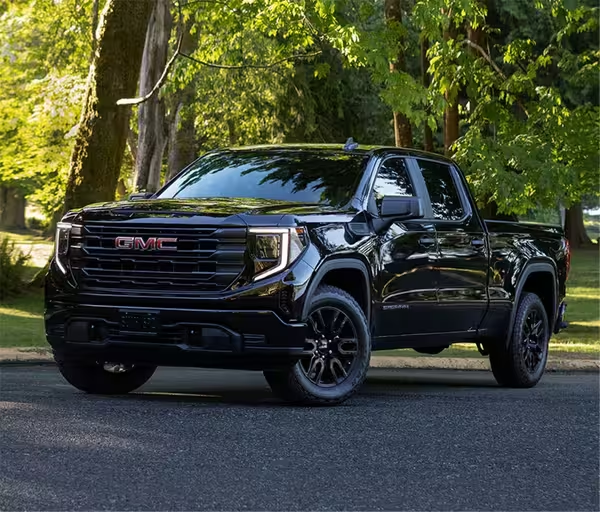
Why Washington Drivers Choose Our Lemon Law Attorneys
A Washington lemon law claim is not decided by frustration alone. It is decided through dates, mileage, repair orders, warranty terms, written notices, and evidence showing how the defect affected the vehicle.
Our attorneys help consumers move from a stack of service paperwork to a clear claim timeline. We review the difference between an ordinary nonconformity and a serious safety defect, calculate cumulative days out of service, and identify which repair attempts occurred within Washington's eligibility period.
Clients work with our team for:
- Review of warranty and repair documentation
- Analysis of repair-attempt and out-of-service categories
- Help prepare a clear defect timeline
- Guidance before state arbitration
- Evaluation of repurchase and replacement options
- Communication with the manufacturer when appropriate
- Representation if additional legal action becomes necessary
Learn more about our Washington Lemon Law attorneys.

What Is Washington State's Lemon Law?
Washington's Motor Vehicle Warranty Act helps owners and lessees of qualifying new or nearly new vehicles who have substantial, continuing warranty problems. It creates a state-administered arbitration process through the Washington Attorney General's Office.
For a defect to fall within the state program, at least one attempt to diagnose or repair it generally must occur under the manufacturer's warranty and within the eligibility period. That period is based on both time and mileage: the attempt must occur within two years of original retail delivery and before the vehicle reaches 24,000 miles.
The law recognizes different claim categories. The current statutory standards generally include:
- Four or more attempts to diagnose or repair the same continuing nonconformity
- Two or more attempts to diagnose or repair the same continuing serious safety defect
- Two or more different serious safety defects within 12 months
- Thirty cumulative calendar days out of service for diagnosis or repair, with at least 15 qualifying days occurring during the applicable eligibility and warranty periods
A serious safety defect is more than an inconvenience. It is a life-threatening malfunction that affects control of the vehicle or creates a risk of fire or explosion. A nonconformity is a defect that substantially impairs the vehicle's use, value, or safety.
Attorney review remains important because the correct claim category, timing rules, and documentation requirements depend on the specific repair history.
Do You Qualify Under Washington's Lemon Law?
Important questions include:
- Was the vehicle purchased or leased with a manufacturer's written warranty?
- Did at least one qualifying repair attempt occur within two years and before 24,000 miles?
- Does the defect substantially impair use, value, or safety?
- Is the problem still present after the required number of attempts?
- Has the vehicle accumulated 30 qualifying days out of service?
- Was a written repurchase or replacement request sent to the manufacturer?
- Can the arbitration request be received within 30 months of original retail delivery?
Certain vehicles are excluded, including motorcycles below 750 cc, trucks rated at 19,000 pounds GVWR or more, and vehicles purchased or leased as part of a fleet of 10 or more. Special provisions may apply to service members and later owners.
Common Warranty Problems We Review
Modern vehicles often experience problems that extend beyond traditional engine failures. In our experience, Washington claims increasingly involve software, electronics, and advanced driver-assistance technology that dealerships struggle to repair permanently. Repeated warranty visits for the same unresolved issue may support a claim when the defect substantially affects the vehicle's use, value, or safety.
Engine & Transmission Problems
- Engine stalling or repeated check engine lights
- Transmission slipping, hesitation, or hard shifting
- Loss of power during normal driving
- Excessive oil consumption
- Cooling system failures
- Drivetrain vibration or abnormal noises
Electrical & Infotainment Problems
- Infotainment screens freezing or rebooting
- Backup camera failures
- Bluetooth and navigation malfunctions
- Battery-management or charging-system faults
- Dashboard warning lights
- Intermittent electrical failures
Safety Defects
- Brake system failures
- Airbag or seatbelt sensor malfunctions
- Steering problems
- Adaptive cruise control failures
- Lane-keeping assistance errors
- Collision-avoidance system faults
What Our Clients Say
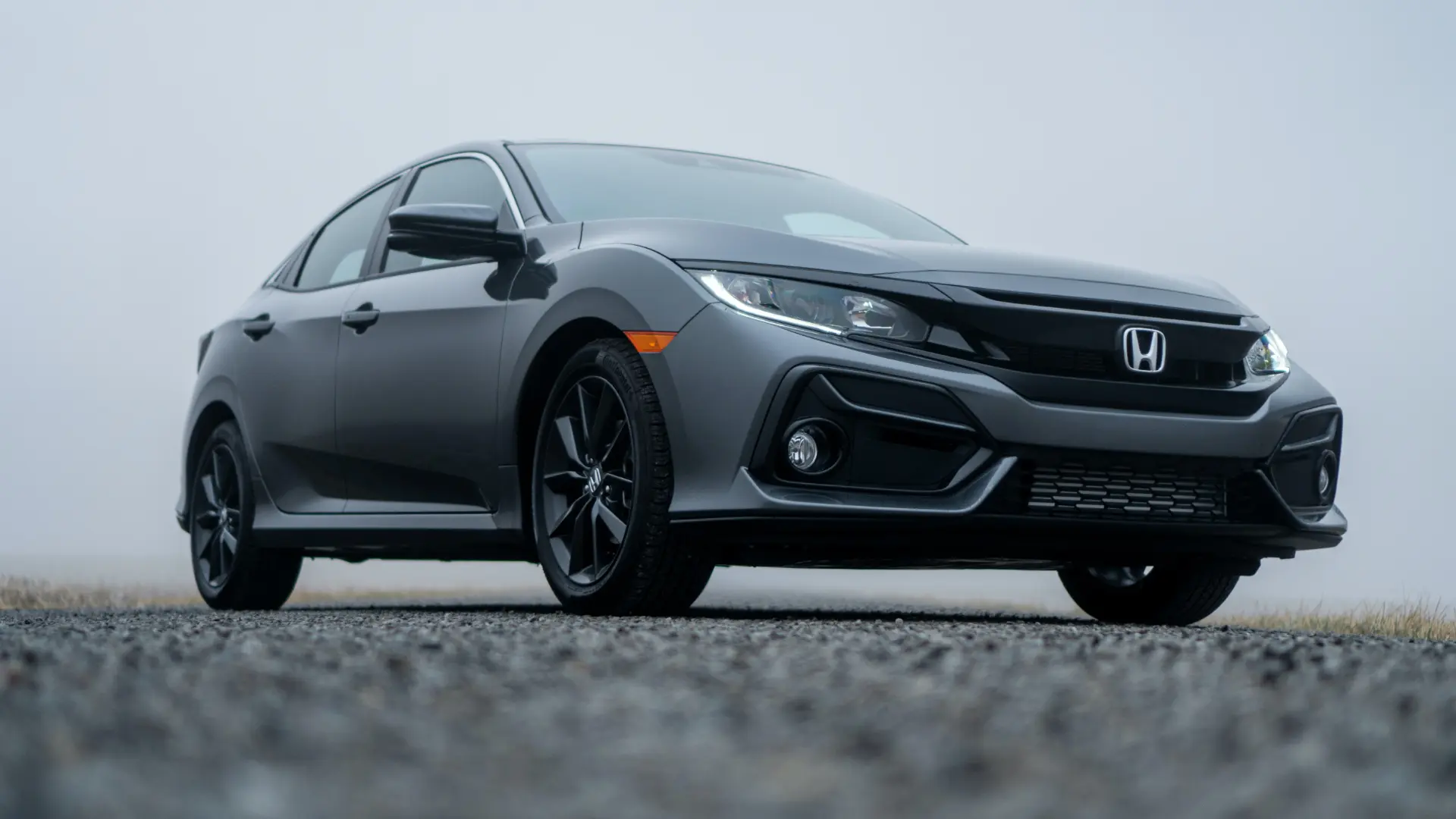
2022 Honda Civic
Maria G.
Seattle, WA
"After three trips to the dealership for the same engine issue, the team at LemonLaws got me a full buyback in under 90 days. Couldn't recommend them more."
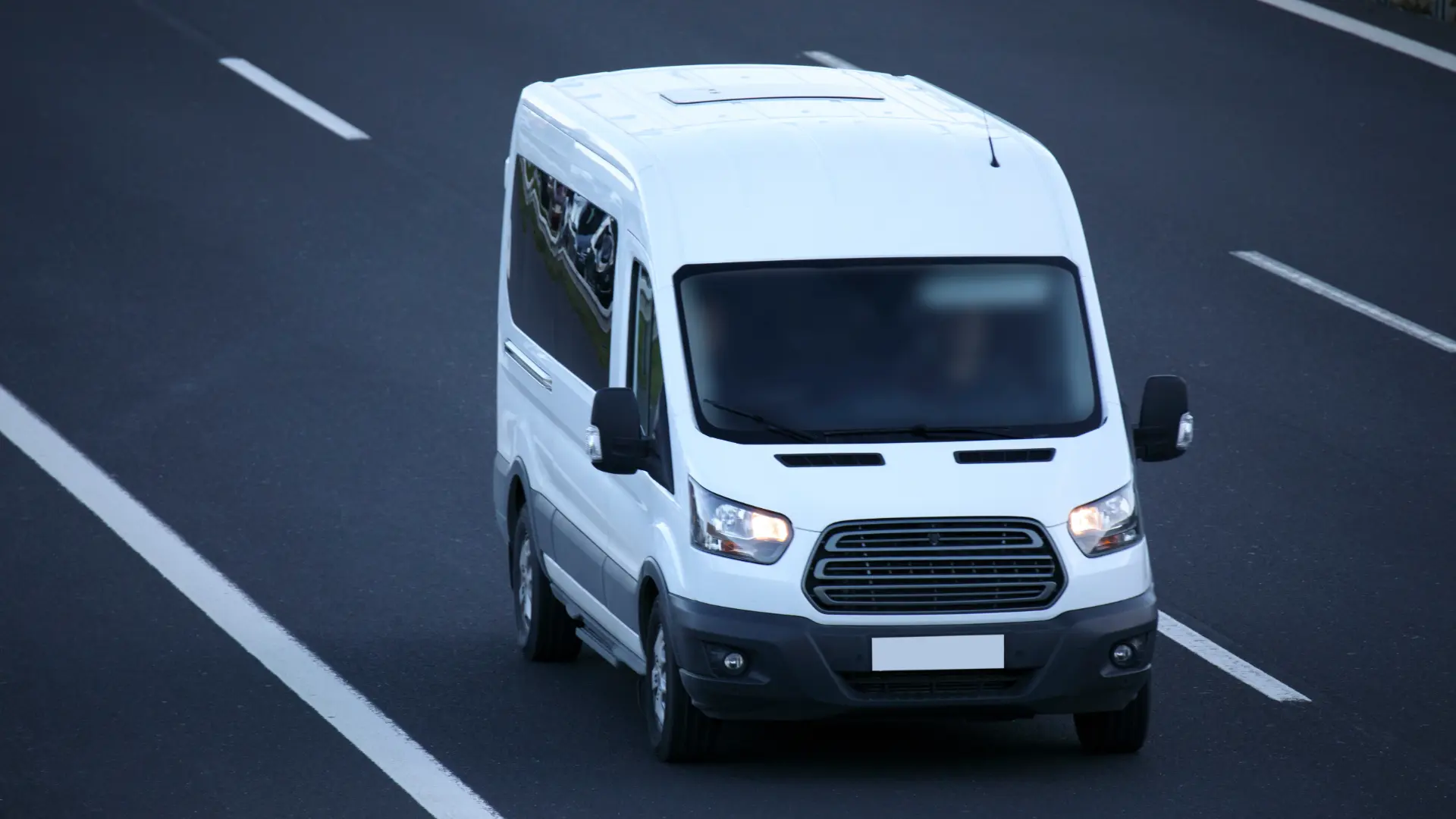
2021 Ford Transit
James R.
Tacoma, WA
"I was about to give up on my work van. They handled everything — I just signed paperwork and got my refund. Truly stress-free."
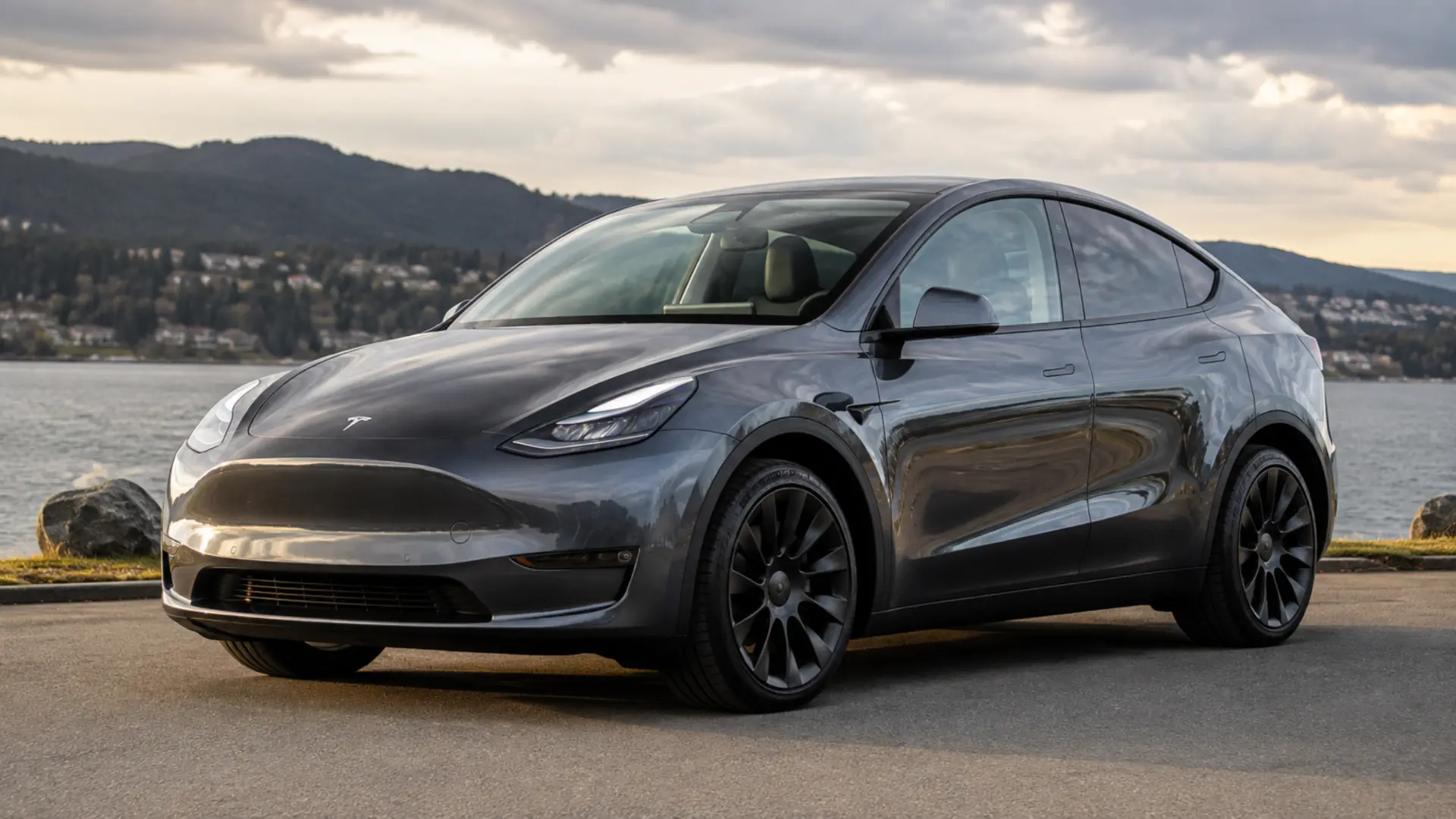
2023 Tesla Model Y
Priya S.
Bellevue, WA
"Battery and software problems kept the car in the shop for weeks. The attorneys negotiated a great cash settlement and I kept the vehicle."
Possible Remedies Under Washington State Lemon Law
Every qualifying claim is different. After reviewing your repair records, warranty information, and arbitration status, we can explain the remedies that may be available under Washington law.
Vehicle Repurchase
In qualifying cases, the manufacturer may be required to repurchase the vehicle. Depending on the circumstances, this may include reimbursement for eligible costs permitted under Washington law, subject to any statutory deductions.
Replacement Vehicle
Some consumers prefer receiving a comparable replacement vehicle instead of a repurchase. Whether this option is appropriate depends on the facts of the claim and the remedies available under Washington law.
Other Available Remedies
When applicable, consumers may also receive additional relief allowed by law. Our role is to evaluate your documentation, explain the available options, and pursue the remedy that best fits your situation.
Washington Statewide Representation
Wherever you purchased or leased your vehicle in Washington, the same state lemon law may protect you if a substantial warranty-covered defect remains unresolved. We represent consumers throughout the state, including Seattle, Spokane, Tacoma, Vancouver, Bellevue, Everett, Yakima, and surrounding communities.
Because Washington's lemon law applies statewide, the legal standards for eligibility remain consistent regardless of where the vehicle was purchased or repaired. What matters most is your warranty coverage, repair history, arbitration timeline, and supporting documentation.
If your vehicle has been back to the dealership repeatedly without a lasting repair, our team can evaluate your records, explain how Washington's lemon law applies to your situation, and help you understand the next steps.
- Seattle
- Spokane
- Tacoma
- Vancouver
- Bellevue
- Everett
- Yakima
- Kent
- Renton
- Federal Way
- Spokane Valley
- Bellingham
- Kirkland
- Auburn
- Redmond
- Olympia
Washington Consumer Protection Laws
Understanding the legal framework behind your claim helps explain why documentation and timing matter. Washington's lemon law includes state-specific requirements that differ from those in California and many other states, making it important to evaluate your claim under the correct legal standards.
Washington Motor Vehicle Warranty Act: Washington's Motor Vehicle Warranty Act establishes protections for qualifying consumers whose vehicles experience substantial warranty-covered defects. The law outlines eligibility requirements, qualifying repair attempts, documentation standards, and the remedies available when a manufacturer cannot successfully repair a qualifying defect. Whether your claim qualifies depends on several factors, including the nature of the defect, the repair history, and compliance with Washington's statutory deadlines.
Washington's Arbitration Process: Unlike many states, Washington's lemon law includes a state-certified arbitration program administered through the Washington State Attorney General's Office. For many qualifying claims, arbitration is an important part of the process before additional legal action may be appropriate.
Our team helps consumers understand:
- Whether arbitration applies to their claim
- What repair records should be submitted
- How manufacturer responses are evaluated
- What documentation strengthens the case
- What options remain after an arbitration decision
A quick review tells you which claim category you fall under, what's missing from your records, and whether your arbitration deadline is coming up fast. Bring the documents you already have, and we'll explain what additional information may strengthen your claim. You can also review our document resources to better understand the records that may be helpful before your consultation.
In our experience, consumers who organize repair orders, warranty documents, correspondence, and service invoices before arbitration are often better prepared than those trying to reconstruct records later.
Magnuson-Moss Warranty Act: Some warranty disputes may also involve the federal Magnuson-Moss Warranty Act. This federal law protects consumers when manufacturers fail to honor written warranties and may provide additional legal remedies depending on the facts of the case. No two cases are the same. We review every state and federal law that could strengthen your claim.
Lemon Law in Washington State
Frequently Asked Questions