California Used Car Lemon Law Attorney
Buying a used car should not mean accepting recurring defects and repeated trips to the repair shop. If your used vehicle came with warranty protection and the same substantial problem keeps returning, California law may give you options beyond another repair attempt.
500+
Models Served
5,000+
Cases Settled
$47M+
Recovered


California Vehicle Claims Reviewed
No Out-of-Pocket Fees
For qualifying California Lemon Law claims, you pay nothing upfront. When your claim succeeds, California law generally requires the manufacturer or seller to pay your attorney fees.
Free Case Evaluation
We review your purchase documents, warranty paperwork, and repair history to determine whether your used vehicle may qualify for a refund, replacement, or compensation.
We Handle Everything
From identifying the applicable warranty to communicating with the manufacturer or dealer and pursuing the appropriate remedy, our team manages the process from start to finish.
What Does California Lemon Law Mean for a Used Car?
California's Song-Beverly Consumer Warranty Act provides important warranty protections to consumers, but used-car cases require a closer look at the warranty and the type of sale.
For a used vehicle, start with a few practical questions: Was any part of the manufacturer's warranty still applicable? Was the vehicle sold as certified pre-owned with warranty protection? Did the dealer give you a written warranty? Was it sold as-is? Or did you purchase it directly from another individual?
California Civil Code § 1795.5 specifically addresses used consumer goods sold with an express warranty. In that situation, the retail seller or distributor making the express warranty has obligations under the Act, and related implied warranties generally run with that express warranty for at least 30 days and no more than three months.
This is why the answer to "Does California Lemon Law apply to used cars?" is often yes, potentially, but the warranty and sale details matter.
How Does a California Used Car Lemon Law Claim Work?
When Can California Lemon Law Apply to Used Cars?
Used vehicles do not all fall into one legal category. The strongest starting point is usually the warranty paperwork that accompanied the vehicle.
Remaining Manufacturer Warranty
A used vehicle may still have time remaining on the manufacturer's original warranty when it changes owners, but that fact alone does not mean the vehicle qualifies for the same refund-or-replacement protections that apply to a "new motor vehicle" under California's Song-Beverly Act. A manufacturer's continuing warranty obligations and other potential warranty rights may still matter. The vehicle's purchase circumstances, warranty documents, defect history, and repair records should be reviewed together to determine what protections may apply.
Certified Pre-Owned Vehicles
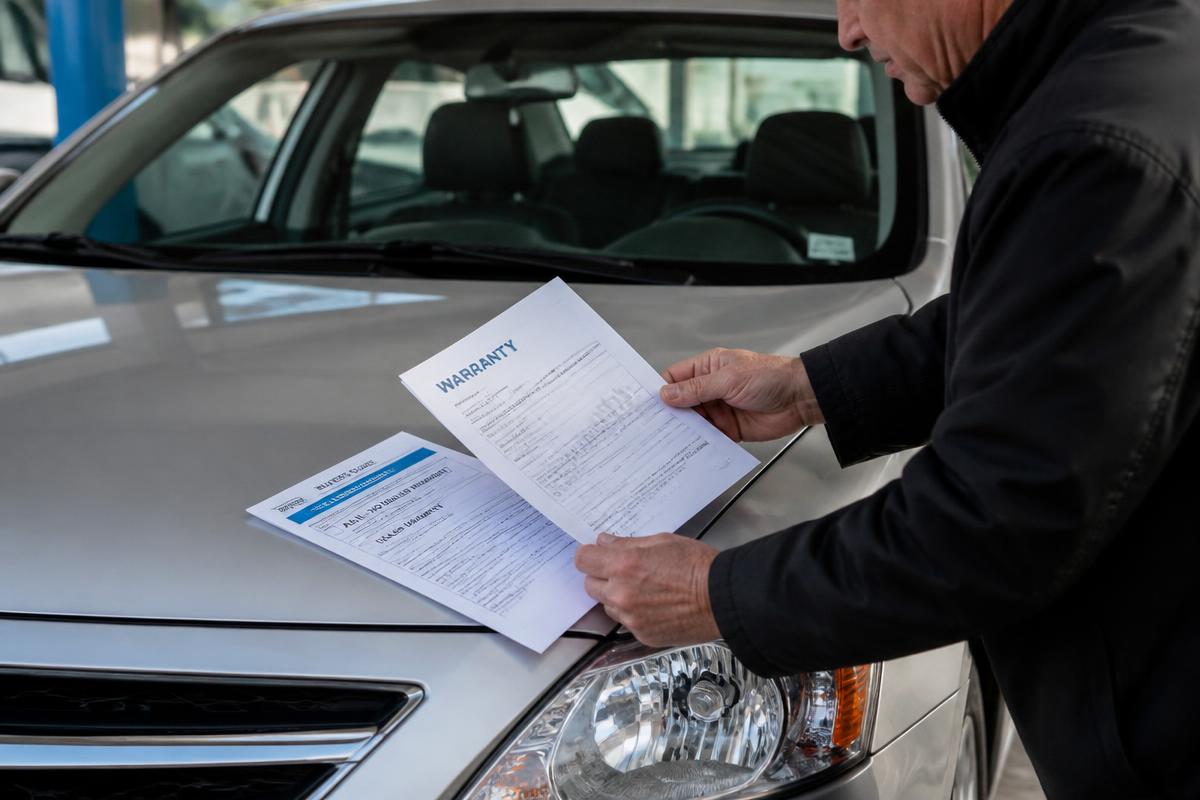
Certified pre-owned vehicles deserve particular attention because they are sold under programs that may include warranty protection. Do not assume the word "certified" by itself establishes a lemon law claim; review exactly what warranty was provided and who issued it. California also restricts when dealers can advertise used vehicles as "certified." The California DMV Car Buyer's Bill of Rights explains circumstances that prevent a dealer from advertising or selling a used vehicle as "certified," including certain title and vehicle-history conditions.
Used Cars Sold With a Dealer Warranty
A dealer's own written warranty can create rights even when the original manufacturer warranty is no longer the relevant coverage. California Civil Code § 1795.5 places warranty obligations on the retail seller or distributor making an express warranty on used consumer goods. That does not mean every dealer-warranted vehicle automatically qualifies for a manufacturer lemon law buyback. The source and terms of the warranty matter when determining who may be responsible and which remedies apply.
What About As-Is and Private-Party Used Cars?
An as-is sale changes the analysis significantly. If a vehicle was legitimately sold without applicable express warranty protection, the traditional warranty-based lemon law path may not be available.
That does not necessarily mean a consumer has no rights. Misrepresentations, undisclosed vehicle history, title problems, or other conduct may raise different consumer-law issues, but those are not automatically lemon law claims.
Private-party purchases require similar caution. California's Car Buyer's Bill of Rights does not apply to transactions between private parties, and Lemon Law's existing guidance explains that private sales usually fall outside a traditional Song-Beverly claim.
If you purchased directly from another individual, our guide to lemon laws and private sales in California explains why those transactions are treated differently.
What Problems Can Support a Used Car Warranty Claim?
The vehicle being used does not make every mechanical problem a lemon law issue. Focus on defects covered by an applicable warranty and the documented efforts to repair them.
Problems that may warrant closer review can include recurring:
- Engine stalling, power loss, or warning lights
- Transmission slipping, hesitation, or harsh shifting
- Steering or braking problems
- Electrical or charging-system failures
- Battery problems in hybrid or electric vehicles
- Airbag or other safety-system warnings
- Infotainment, camera, or sensor failures that substantially affect the vehicle's use, value, or safety
A dealership writing "could not duplicate" on an invoice does not erase the complaint you reported. Keep that repair order with the rest of your records.
If the dealership sold you a defective vehicle and you are unsure what to do next, our guide on what to do if a dealership sells you a lemon car provides additional steps for documenting the problem and protecting your rights.
What Can You Receive for a Qualifying Used Car Claim?
The potential outcome depends on the law that applies, the source of the warranty, and the facts of the claim.
Repurchase or Buyback
In qualifying manufacturer-warranty cases, repurchase may be an available remedy when a substantial covered defect cannot be repaired after reasonable opportunities. The amount and deductions depend on the applicable law and individual circumstances.
Replacement
Replacement can also be available in certain qualifying manufacturer-warranty claims.
Cash Compensation
Some claims may resolve with compensation while the consumer keeps the vehicle. Whether that option is available or appropriate depends on the claim.
Dealer-warranty cases can involve different obligations and remedies. For example, California imposes specific warranty requirements on buy-here-pay-here dealers, including a minimum written warranty of 30 days or 1,000 miles and specified repair or refund obligations. The important point is to identify which warranty applies before assuming who owes the remedy.
Should You Talk to a California Used Car Lemon Law Attorney?
Used-car claims can be more complicated than they first appear because the word "used" does not tell you which protections apply. The warranty paperwork, seller, defect history, and repair record provide a much clearer answer.
Lemon Laws can review those documents and determine whether your situation may support a manufacturer warranty claim, dealer warranty claim, or another potential course of action. Our team has helped settle 5,000+ cases and recover $47M+ for consumers. Past results do not guarantee a similar outcome; each matter depends on its individual facts and merits.
If you are still making payments on a defective used vehicle while dealing with repeated warranty repairs, you do not have to guess about your options. A case evaluation can help you understand what protections may apply before you decide what to do next. Call (844) 661-2669 to speak with our team.
California Used Car Lemon Law Frequently Asked Questions
Disclaimer: Reading this content does not establish an attorney-client relationship. Prior case results (5,000+ cases settled) do not guarantee a similar outcome for your specific used vehicle claim.