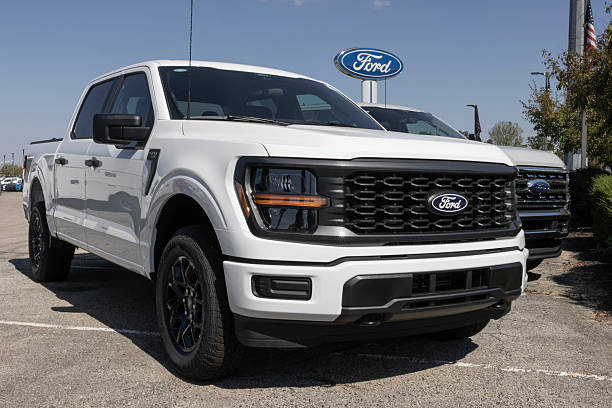
Problemas recurrentes de transmisión, motor, electricidad, frenos o infoentretenimiento en una Ford F-150 pueden respaldar una recompra, reemplazo o acuerdo.
Una Ford F-150 que vuelve repetidamente al concesionario por transmisión, motor, electricidad o frenos puede volverse poco confiable. Cuando las reparaciones de garantía no duran, puede haber opciones más allá de programar otra visita.
Un reclamo puede permitir una recompra, reemplazo o acuerdo en efectivo. La elegibilidad depende de la garantía, gravedad del defecto, oportunidades de reparación, tiempo fuera de servicio y ley aplicable.
Los problemas varían entre años, motores y versiones. El historial de su camioneta importa más que pertenecer a un modelo determinado o tener una sola visita.
Para información de todos los modelos Ford visite nuestra página de Ley Limón para Ford.
¿Continúan los problemas de su F-150 después de reparaciones de garantía? Revisaremos su historial y explicaremos si puede haber una recompra, reemplazo o acuerdo. Evaluación Gratuita
Retiros Recientes de Ford F-150 que Conviene Conocer
El alto volumen de F-150 también genera actividad importante de retiros de NHTSA. Algunas campañas recientes abordan riesgos de seguridad serios.
Retiro del Servofreno Electrónico (F-150 2025–2026)
Ford retiró ciertas camionetas porque el módulo EBB puede fallar y causar pérdida de asistencia de frenado, aumentando la distancia de detención. Los concesionarios reemplazan el componente sin costo. Verifique su VIN en NHTSA y consulte la referencia del retiro.
Retiro del Cuerpo de Válvulas de Transmisión (F-150 2024–2025)
Ciertas camionetas pueden perder la reversa o moverse hacia adelante inesperadamente en reversa o neutral por un cuerpo de válvulas mal mecanizado. Consulte el documento oficial NHTSA 25V-164 (25S19).
Retiro por Obstrucción de la Cámara Trasera (F-150 2021–2023)
Un error del sistema SYNC puede bloquear la imagen de la cámara trasera. La reparación es una actualización de software; conserve las órdenes si el problema requirió varias visitas.
Importante: Un retiro no establece por sí solo un reclamo ni elimina derechos después de completarlo. Importa si Ford corrigió el defecto de forma permanente.
Por Qué los Conductores Eligen a Nuestros Abogados de Ley Limón para F-150
Revisamos todas las visitas como una cronología: qué reportó, qué reparó Ford, si regresó el problema y si la garantía estaba vigente.
Nuestro equipo ofrece revisión de registros, evaluación de transmisión, motor, electricidad, frenos e infoentretenimiento, análisis de reemplazos importantes e identificación de quejas repetidas.
Consulte también nuestro recurso de Ley Limón para Ford.
Cómo Funciona Nuestro Proceso de Reclamo para Ford F-150
Paso 1 — Reunir la evidencia. Comparta contrato, garantía, órdenes, remolques, avisos, fotos, videos y comunicaciones.
Paso 2 — Revisar garantía y reparaciones. Evaluamos defectos, intentos, reemplazos y tiempo fuera de servicio.
Paso 3 — Definir el próximo paso. Si los registros apoyan un reclamo, explicamos la recompra, reemplazo o acuerdo negociado.
¿Qué Problemas Pueden Llevar a un Reclamo de Ley Limón para F-150?
No existe un defecto único que convierta automáticamente una camioneta en limón. El problema sustancial debe seguir sin resolverse después de oportunidades razonables.
Las transmisiones pueden presentar cambios bruscos, vacilación, acople tardío, deslizamiento o reducciones inesperadas. Los motores pueden mostrar golpeteo, pérdida de potencia, alertas, apagones, problemas de turbo o aceite. También importan fallas eléctricas, SYNC, frenos, ABS, asistencia al conductor y condiciones de no arranque.
¿Se pregunta si su situación califica?
Importante: Un retiro, boletín o problema común no prueba por sí solo el reclamo. Importan los hechos de su F-150.
¿Califica para un Reclamo de Ley Limón para Ford F-150?
Puede merecer evaluación si el defecto surgió durante la garantía, afecta uso, valor o seguridad, Ford tuvo oportunidades para repararlo, regresó después del servicio, continuó tras reemplazar componentes o causó tiempo considerable fuera de servicio.
Conserve toda factura, incluso si el técnico no pudo duplicar el problema. Consulte nuestra información sobre la Ley Limón de California. Consulta Gratuita
Problemas Comunes de Ley Limón en Ford F-150
Problemas de Cambios y Conducción de la Transmisión de 10 Velocidades
Cambios bruscos, acople tardío, tirones, vacilación, deslizamiento, reducciones o búsqueda de marcha pueden afectar el manejo. La transmisión 10R80, usada desde 2017 en muchos modelos, ha generado numerosas quejas.
Cuidado con “No se Pudo Duplicar”: Asegúrese de que el asesor escriba los síntomas exactos. Una visita documentada puede ser relevante aunque la falla no aparezca durante la prueba.
Falla del Motor y Reparaciones Importantes del Tren Motriz
Problemas de turbo EcoBoost, cadena de distribución, enfriamiento y reemplazos importantes forman parte del historial. Conserve documentos anteriores y posteriores al reemplazo.
Consejo: Reemplazar un motor o transmisión no borra las visitas anteriores. Los registros posteriores muestran si la solución fue duradera.
Problemas Eléctricos, de Frenos e Infoentretenimiento
Fallas repetidas de electricidad, frenos, seguridad o SYNC también pueden importar. Documente mensajes, pantalla, ABS, no arranque y comportamiento intermitente con fotos o videos.
Lo Que Dicen Nuestros Clientes de Ley Limón

Toni
“Mi Jeep Wrangler tenía defectos recurrentes y consiguieron una recompra total. El proceso fue sencillo de principio a fin.”
Andrew
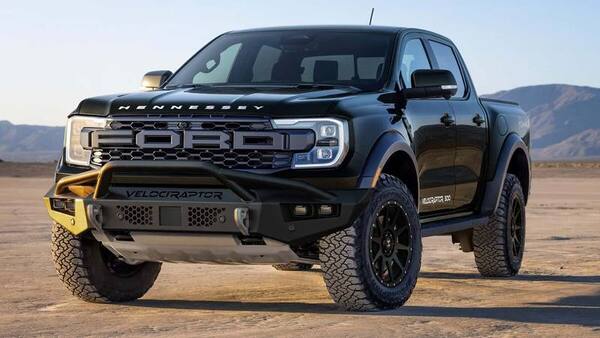
“Mi Ford Raptor tenía problemas de transmisión. El equipo se encargó de todo y consiguió una compensación real.”

Daniel
“Mi Honda Civic seguía regresando al taller. Me guiaron en cada paso e hicieron que todo fuera sencillo.”

Aireen
“Recuperé mi dinero por mi Chevy Camaro en poco tiempo. Estuve en las mejores manos.”
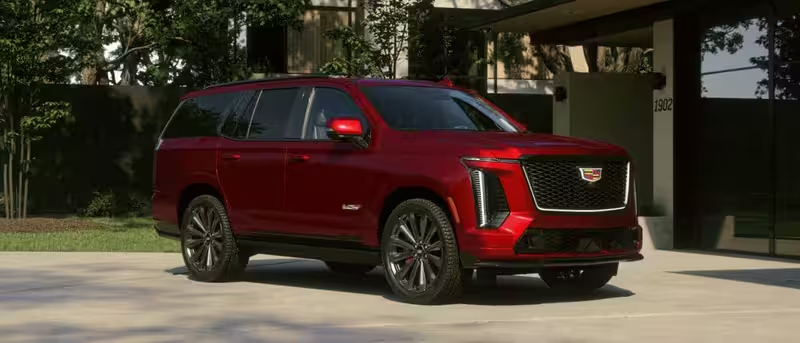
Maria G.
“LemonLaws.com llevó mi caso de Cadillac Escalade de principio a fin. Conseguí la recompra total de mi SUV defectuosa.”
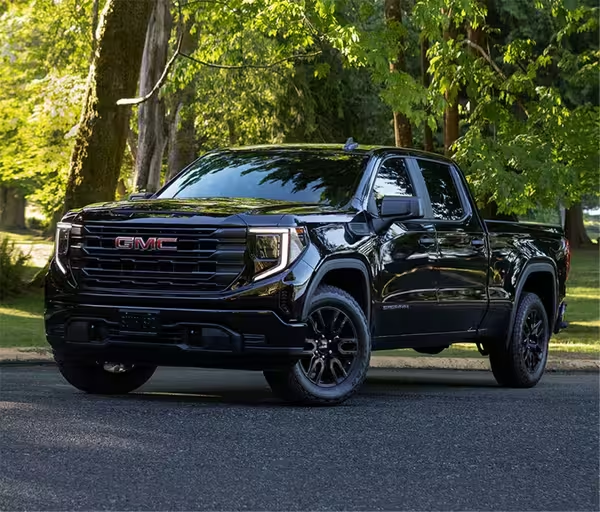
Robert P.
“Mi GMC Sierra tenía problemas continuos del motor. Los abogados lograron que el fabricante pagara lo que correspondía.”
¿Qué Compensación Puede Recibir?
Recompra del Vehículo. Ford puede tener que recomprar una F-150 que califica, según los hechos y la ley aplicable.
Acuerdo en Efectivo. Algunos reclamos se resuelven mientras el propietario conserva la camioneta.
Vehículo de Reemplazo. Puede estar disponible un reemplazo en ciertos casos que califican.
Un reemplazo de motor o transmisión no termina necesariamente un reclamo cuando continúan problemas sustanciales.
Preguntas Frecuentes sobre la Ley Limón para Ford F-150
Obtenga una Revisión Gratuita de su Caso de Ford F-150
Compró o arrendó su F-150 para usarla, no para volver al concesionario por el mismo defecto. Revisamos cuándo comenzó, qué reportó, qué intentó reparar Ford y qué ocurrió después.
Para otros modelos consulte nuestra página principal de Ford.
¿Cree que su auto es un limón?
Obtenga una evaluación de caso gratuita de nuestros abogados experimentados. Sin honorarios hasta que ganemos.